HVAC Systems for Hotels: Key Equipment and Design Considerations
Hotels require reliable and energy-efficient heating, ventilation, and air conditioning systems to maintain comfortable indoor environments for guests and staff. Well-designed hotel HVAC systems do more than provide cooling and heating. They also control indoor humidity, improve air quality, reduce operating costs, and ensure stable performance across different hotel areas.
From guest rooms and hotel lobbies to restaurants, conference rooms, kitchens, and service areas, each space has different heating, cooling, and ventilation requirements. Selecting the right hotel HVAC equipment and designing an effective air distribution system are essential for hotel construction, renovation, and long-term operation.
For hotel developers, HVAC contractors, engineering companies, and equipment distributors, understanding the main components of a hotel air conditioning system is an important step toward achieving better indoor comfort and operational efficiency.

1. What Are Hotel HVAC Systems?
Hotel HVAC systems are integrated heating, ventilation, and air conditioning solutions designed to regulate indoor temperature, humidity, air circulation, and indoor air quality throughout a hotel building.
Unlike ordinary residential air conditioning systems, hotel HVAC systems must serve multiple areas with different occupancy levels and operating schedules. Guest rooms may require individual temperature control, while hotel lobbies often operate continuously. Restaurants, meeting rooms, fitness centers, and banquet halls may experience significant changes in cooling demand throughout the day.
A complete hotel HVAC system generally includes central air conditioning equipment, air handling units, fan coil units, fresh air ventilation systems, exhaust fans, air ducts, filters, dampers, and automatic control equipment.
The system configuration depends on the hotel's size, building structure, local climate, energy requirements, and project budget. For example, a large international hotel may use a central chilled-water system combined with fan coil units in guest rooms and air handling units in public areas. Smaller hotels may choose VRF or other decentralized air conditioning solutions.
The objective is to create a comfortable indoor environment while maintaining reliable operation and controlling energy consumption.
2. Key Equipment Used in Hotel HVAC Systems

Air Handling Units (AHUs)
Air handling units are important components of commercial hotel HVAC systems. They process and distribute conditioned air throughout different building areas. A typical AHU may include a fan, cooling coil, heating coil, air filters, mixing section, and other functional components depending on the project requirements.
In hotels, AHUs are commonly used in lobbies, restaurants, conference rooms, banquet halls, and other large public spaces. These areas often have higher occupancy and changing cooling loads, making centralized air treatment an effective solution.
Modular air handling units are particularly useful for hotel projects because their functional sections can be configured according to airflow, cooling capacity, filtration requirements, and installation conditions. Proper equipment selection helps improve air distribution, indoor air quality, and system operating efficiency.
For projects requiring customized air treatment equipment, explore Shunda's Modular Air Handling Units to learn more about available HVAC configurations and applications.
Fan Coil Units (FCUs)
Fan coil units are widely used in hotel guest rooms because they provide localized heating and cooling with independent room temperature control.
A typical fan coil unit consists of a fan, heat exchange coil, filter, drain pan, and control components. Chilled or hot water passes through the coil, while the fan circulates room air across the heat exchanger to achieve the required indoor temperature.
Horizontal concealed fan coil units are often installed above suspended ceilings, providing a clean interior appearance while saving valuable room space. They are particularly suitable for hotel guest rooms, apartments, and other commercial spaces where concealed installation is preferred.
For hotel room applications, Horizontal Concealed Fan Coil Units can be considered according to the required cooling capacity, airflow, installation space, and noise requirements.
Cassette-type fan coil units are another option for suitable ceiling layouts and public areas. Their four-way air supply design helps distribute conditioned air in multiple directions. Shunda also provides Cassette Type Four-Way Blow Fan Coil Units for commercial indoor air conditioning applications.
Fresh Air Ventilation Systems
Indoor air quality is another important consideration in hotel HVAC system design. Guest rooms, restaurants, meeting rooms, and other occupied areas require sufficient outdoor air to dilute indoor pollutants, odors, and carbon dioxide generated by occupants and daily activities.
A fresh air ventilation system introduces outdoor air into the building after appropriate filtration and, where necessary, temperature and humidity treatment. In humid climates, outdoor air should be properly dehumidified before entering occupied spaces to prevent excessive indoor humidity and potential condensation problems.
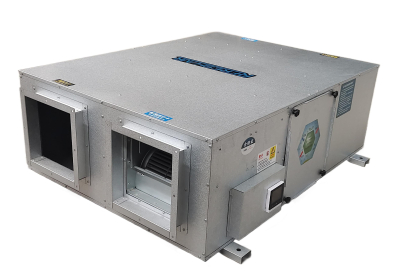
Heat recovery ventilation equipment can further improve energy efficiency by transferring energy between incoming fresh air and outgoing exhaust air. This helps reduce the additional cooling or heating load associated with ventilation.
For commercial buildings and hotel projects, Shunda's Fresh Air Ventilation Equipment can be considered as part of an indoor air quality and ventilation solution.
Exhaust Fans and Air Distribution Equipment
Exhaust ventilation is essential in hotel kitchens, bathrooms, laundry rooms, storage areas, and other spaces where moisture, odors, heat, or pollutants may accumulate.
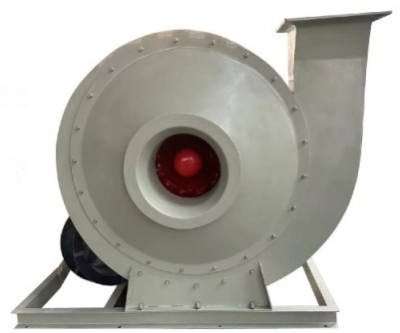
Centrifugal fans are suitable for many ducted exhaust applications because they can provide the static pressure needed to overcome resistance from ductwork, filters, and air control components. Axial fans may be used in applications where large airflow and relatively low system resistance are required.
In addition to fans, air ducts, supply diffusers, return grilles, fire dampers, and volume control dampers are important parts of the overall air distribution system. Their proper selection and installation help maintain balanced airflow and support building fire safety requirements.
3. Hotel HVAC Design Considerations

Different Areas Require Different HVAC Solutions
One of the most important principles in hotel HVAC design is that not every area should use the same air conditioning configuration.
Guest rooms require quiet operation, individual temperature adjustment, and reliable humidity control. Lobbies and reception areas need continuous air conditioning because of their long operating hours and frequent movement of people. Restaurants and banquet halls experience fluctuating occupancy and heat loads from cooking equipment, lighting, and guests.
Hotel kitchens require dedicated exhaust ventilation and suitable makeup air to remove heat, grease, smoke, and odors. Laundry rooms and service areas also need appropriate ventilation to control moisture and indoor temperature.
Therefore, HVAC engineers should divide the hotel into different functional zones and calculate the heating and cooling loads of each area separately. This approach helps avoid oversized equipment, insufficient cooling capacity, and unnecessary energy consumption.
Cooling Capacity and Airflow Calculation
Correct equipment sizing is essential for hotel air conditioning system design. An undersized system may fail to maintain the required indoor temperature during peak occupancy, while an oversized system may increase initial investment and cause inefficient operation under partial-load conditions.
Cooling load calculations should consider outdoor design temperature, building orientation, wall and roof insulation, window area, solar radiation, occupancy, lighting, electrical equipment, ventilation air, and other internal heat sources.
Airflow selection should also account for room volume, required ventilation rates, air distribution patterns, duct resistance, and equipment external static pressure.
For large hotels, engineers should evaluate the cooling and ventilation requirements of guest rooms, public areas, kitchens, and service spaces separately before selecting AHUs, FCUs, fans, and other equipment.
Noise Control and Indoor Comfort
Noise is particularly important in hotel guest rooms because guests expect a quiet environment for sleeping and relaxation. HVAC equipment should be selected with suitable sound performance, and the installation design should minimize vibration and airborne noise.
Fan speed, duct dimensions, air velocity, diffuser selection, equipment positioning, and vibration isolation all influence the final acoustic performance.
Air outlets should also be positioned carefully to avoid uncomfortable drafts directly blowing toward beds, seating areas, or working spaces. Good air distribution improves thermal comfort without requiring excessively low supply air temperatures or unnecessary fan operation.
Humidity Control and Fresh Air Quality
Humidity management is especially important for hotels operating in tropical and subtropical regions, including Southeast Asia and the Middle East. High outdoor humidity, frequent door opening, and insufficient dehumidification can increase indoor moisture levels.
A well-designed hotel HVAC system should consider both sensible cooling and latent cooling requirements. Fresh outdoor air may need dedicated treatment before being supplied to guest rooms and public spaces.
Bathrooms and kitchens should have appropriate exhaust systems to remove moisture and odors. Proper condensate drainage, insulation, and regular filter maintenance also help reduce the risk of condensation, mold, and poor indoor air quality.
4. How to Improve Energy Efficiency in Hotel HVAC Systems
Energy consumption is one of the major operating expenses of hotels, particularly in buildings that provide year-round air conditioning. Improving HVAC efficiency requires more than selecting high-efficiency equipment. The entire system should be designed to match actual building loads and operating schedules.
Variable-speed fans, efficient pumps, properly selected heat exchangers, and intelligent control systems can help reduce unnecessary energy consumption. In hotels with centralized chilled-water systems, optimizing chilled-water temperatures, pump operation, and equipment staging can further improve performance.
Independent room controls are also important. When a guest room is unoccupied, the system can adjust its operating mode according to the hotel's energy management strategy while maintaining appropriate humidity and ventilation conditions.
Regular maintenance is equally important. Dirty filters, blocked coils, poorly balanced ducts, and incorrect control settings can reduce airflow and increase energy consumption. Establishing a preventive maintenance schedule helps maintain stable system performance and extend equipment service life.
5. How to Choose the Right HVAC Equipment for a Hotel Project
Selecting hotel HVAC equipment requires coordination between building owners, HVAC consultants, contractors, and equipment manufacturers.
The first step is to understand the hotel project itself, including the number of guest rooms, total floor area, building height, functional zones, local climate, and expected occupancy. These factors determine the required cooling capacity, airflow, ventilation rate, and equipment configuration.
The second step is to evaluate equipment performance and compatibility. Air handling units should be selected according to required airflow, cooling capacity, filtration level, and available installation space. Fan coil units should match room loads, noise requirements, and ceiling installation conditions. Ventilation fans should be selected according to airflow, static pressure, and the characteristics of the exhaust environment.
The third step is to consider long-term operating costs and maintenance requirements. Equipment with convenient access panels, replaceable filters, reliable components, and suitable control functions can make daily operation and maintenance easier.
Finally, working with an experienced HVAC equipment manufacturer can help project teams obtain suitable product configurations, technical documentation, equipment selection support, and customized manufacturing services.
6. Shunda HVAC Solutions for Hotel and Commercial Building Projects
Shunda Air Conditioning Equipment Group Co., Ltd. provides a range of HVAC and ventilation equipment for commercial buildings, public facilities, and industrial projects. Its product portfolio includes modular air handling units, ceiling-type air conditioning units, fan coil units, fresh air ventilation equipment, centrifugal fans, and axial flow fans.
For hotel HVAC projects, modular air handling units can be configured for different airflow and air treatment requirements in public areas and centralized ventilation applications. Fan coil units provide localized indoor temperature control, while fresh air equipment and ventilation fans support indoor air quality and exhaust requirements.
With manufacturing experience, engineering capabilities, and a wide range of HVAC equipment, Shunda supports project-based equipment selection and customized solutions for international customers.
Whether you are developing a new hotel, renovating an existing building, or sourcing HVAC equipment for a commercial construction project, selecting suitable equipment at the design stage can help improve comfort, energy efficiency, and long-term operational reliability.
Explore the Shunda HVAC Product Center to discover more air conditioning and ventilation equipment for commercial building projects.
Contact Shunda HVAC to discuss your hotel HVAC equipment requirements and request a customized quotation for your project.
Conclusion
A successful hotel HVAC system must balance indoor comfort, ventilation performance, energy efficiency, noise control, and maintenance convenience. Air handling units, fan coil units, fresh air systems, exhaust fans, and air distribution components all play important roles in creating a comfortable and healthy hotel environment.
By evaluating the requirements of different hotel areas, calculating cooling and airflow loads accurately, and selecting suitable equipment, project developers and HVAC contractors can build more reliable and energy-efficient systems.
If you are looking for a professional HVAC equipment manufacturer for hotel or commercial building projects, Shunda HVAC is ready to provide product information, technical support, and project-based quotations.
Contact Shunda HVAC today to discuss your hotel HVAC project and find the right equipment solution.