Enterprise Procurement Guide: 5 Must-Know Points Before Selecting a Centrifugal Fan
Enterprise Procurement Guide: 5 Must-Know Points Before Selecting a Centrifugal Fan
5 Things You Must Know Before Buying a Centrifugal Fan
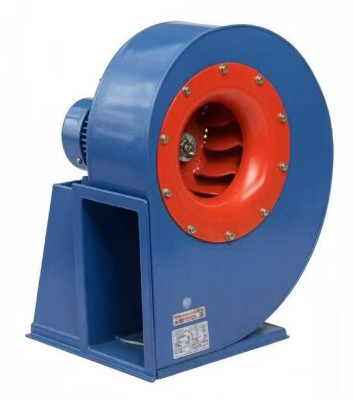
Centrifugal fans are indispensable equipment in industrial ventilation, building air conditioning, and air handling systems. Selecting the appropriate centrifugal fan not only affects air circulation efficiency but also directly relates to operating costs and service life. However, many enterprises focus only on price or appearance when purchasing, neglecting key parameters, which leads to low efficiency or frequent maintenance. This article will introduce five things you must know before buying a centrifugal fan, ensuring a safer investment and more efficient operation.
1. Airflow and Air Pressure Requirements
Problem: Selecting fans based solely on size or power results in insufficient air flow or excessive pipe resistance.
Solution:
* Calculate the required air volume (m³/h) and air pressure (Pa) based on the actual usage location.
* Refer to the fan performance curve to select a model that matches the piping system.
Case Study:
A factory's injection molding workshop originally used old forward-curved centrifugal fans with insufficient air volume, leading to high internal temperatures, accumulation of smoke, poor air circulation efficiency, which affected workers' work efficiency and health conditions.After evaluating the operating conditions, the technical team replaced the fans with backward-curved centrifugal fans equipped with high-efficiency EC motors and optimized the pipeline layout. After the improvement, the workshop's ventilation efficiency increased by 30%, indoor air quality was significantly improved, and overall energy consumption was reduced by 10% due to enhanced motor efficiency and reduced system resistance.
2. Selection of Usage Environment and Materials
Issue: Ignoring the working environment can lead to corrosion or high-temperature damage of fan impellers or casings.
Solutions:
* For high-temperature environments, select heat-resistant materials such as stainless steel or heat-resistant alloys.
* For environments containing dust or chemical gases, choose designs with anti-corrosion and anti-wear properties.
Case Study:
A German chemical plant initially used centrifugal fans made of ordinary carbon steel in its exhaust gas treatment system during the production of chlorinated organic solvents. Due to the presence of hydrogen chloride (HCl) vapor and moist acidic condensate in the exhaust gas, the fan impellers and casings suffered severe pitting and uniform corrosion within just 6 months. This led to increased vibration, reduced efficiency, and a risk of leakage.After frequent equipment failures, the plant's engineering team replaced the fan's critical components (impellers, casing liners, and main shafts) with special alloy materials. The impellers were made of stainless steel (e.g., 316L), the casing liners were made of fiberglass-reinforced plastic (FRP), and the main shaft was treated with a special coating. After the retrofit, the fans operated continuously for over 5 years under the same harsh conditions without major corrosion-related failures. This not only significantly reduced maintenance costs and downtime risks but also greatly improved the reliability of the exhaust gas system and environmental compliance.
3. Noise Control and Energy Efficiency
Problem: The fan noise is too loud, affecting the working environment, and it has high energy consumption.
Solutions:
* Select fans with low-noise design or equip them with sound-absorbing devices.
* Prioritize high-efficiency fans to reduce electricity costs.
Case Study:
A Grade A office building located in the Philippines previously faced significant low-frequency noise and high energy consumption issues due to its air conditioning system, which used forward-curved centrifugal fans. This not only caused noise levels in public areas to exceed standards but also significantly increased the building's operational costs. During a green renovation of the ventilation system, the engineering team replaced the core equipment with backward-curved centrifugal fans featuring aerodynamic optimized design. Field test data showed that after the renovation, the background noise in the building was reduced by more than 50%, meeting the acoustic requirements of international green building standards (such as LEED). Additionally, the energy consumption of the fan system decreased by approximately 15%, resulting in substantial annual carbon emissions reduction. Thanks to a quieter and more stable indoor environment, employee surveys reported a significant improvement in work comfort and focus.
4. Maintenance Costs and Lifespan
Problem: Neglecting maintenance leads to frequent repairs and increased costs.
Solution:
* Pay attention to the design life of bearings, impellers, and other wear parts.
* Select models that are easy to disassemble and maintain.
Case Study:
A Grade A office building in the Philippines had its air conditioning system plagued by low-frequency noise and high energy consumption caused by forward-curved centrifugal fans, leading to excessive noise levels in public areas and increased building operating costs. During a green renovation of the ventilation system, the engineering team replaced the core equipment with backward-curved centrifugal fans featuring aerodynamic optimized design. Field test data showed that after the renovation, the background noise in the building was reduced by more than 50%, meeting the acoustic requirements of international green building standards (such as LEED); simultaneously, the energy consumption of the fan system decreased by approximately 15%, reducing significant carbon emissions annually. Thanks to a quieter and more stable indoor environment, employee surveys reported a significant improvement in work comfort and focus.
5. Brand and After-Sales Service
Problem: Choosing unbranded or manufacturers with inadequate after-sales service, which makes it impossible to resolve issues in a timely manner.
Solution:
* Select well-known brands with reliable quality and prompt after-sales service.
* Confirm the availability of spare parts and technical support capabilities.
Case Study:
A hospital construction project in Saudi Arabia faced complex challenges during the installation of its HVAC and exhaust systems in the later stages of construction. To ensure critical milestones were not delayed, the project team selected our centrifugal fans, placing particular emphasis on our technical support and after-sales service capabilities. We not only supplied high-performance equipment but also dispatched engineers to the site to provide systematic installation and commissioning training for the construction team. The training covered fan hoisting, duct connection, and variable frequency drive parameter settings, effectively preventing performance deviations due to improper installation.
Purchasing a centrifugal fan is not just about price or appearance; it requires comprehensive consideration of:
Airflow and Air Pressure Matching
Selection of Usage Environment and Materials
Noise Control and Energy Efficiency
Maintenance Cost and Lifespan
Brand and After-Sales Service
Mastering these five key points can help avoid selection mistakes, improve equipment operating efficiency and service life, and save enterprises a significant amount of costs.