How to Choose the Right Centrifugal Fan for Industrial Ventilation
As industrial manufacturing continues to expand across Southeast Asia and global markets, efficient industrial ventilation has become one of the most important factors affecting workplace safety, equipment reliability, and energy consumption. Whether the project involves a chemical factory, food processing plant, warehouse, pharmaceutical facility, or commercial HVAC system, selecting the correct centrifugal fan directly influences airflow performance, operating costs, and the overall lifespan of the ventilation system. Choosing a fan is no longer simply about moving air—it is about matching airflow, pressure, environmental conditions, and long-term efficiency with the unique requirements of each industrial application.
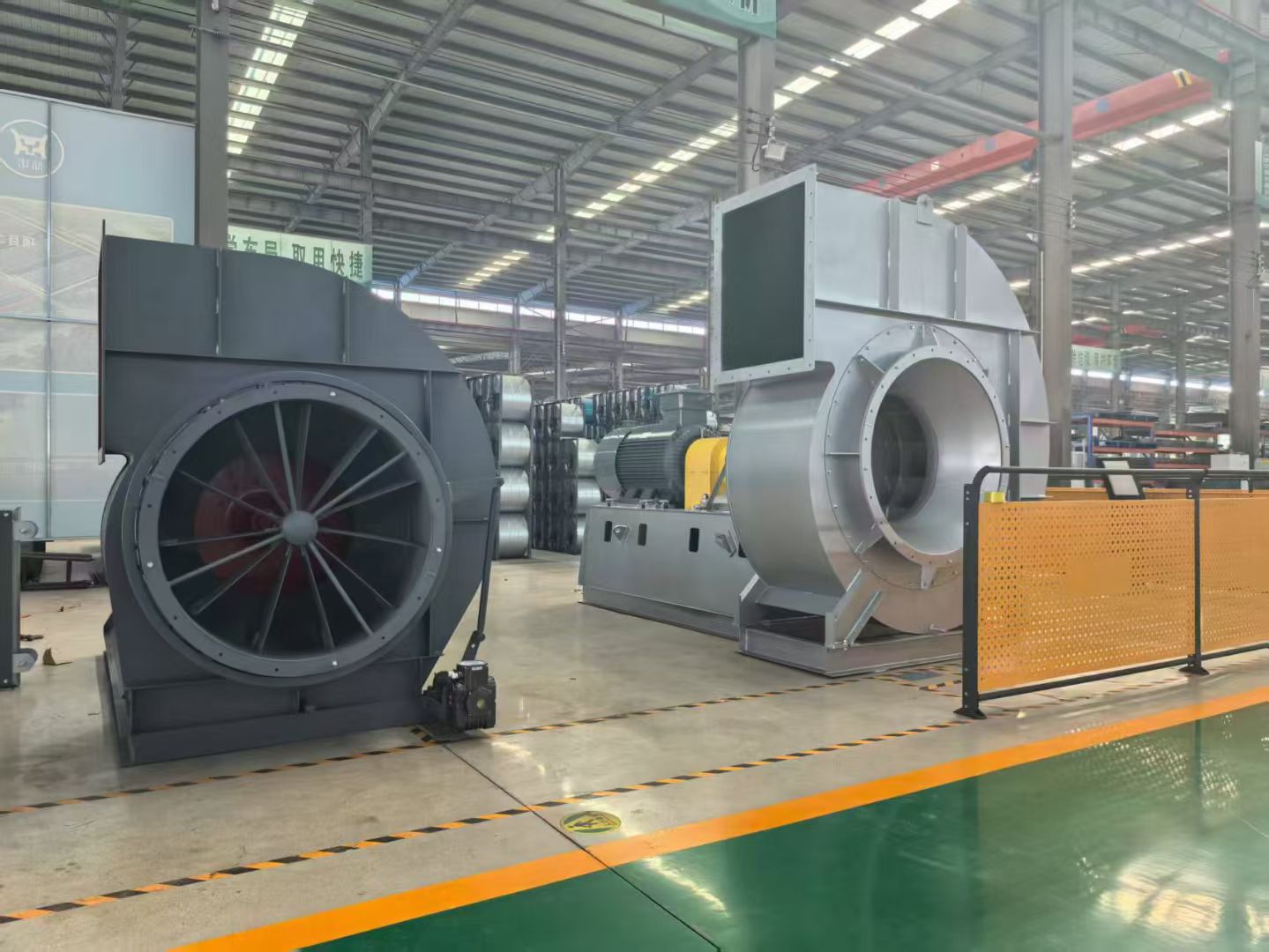
At Shunda HVAC, we have supplied customized industrial centrifugal fans to customers in Singapore, Malaysia, the Philippines, Thailand, Vietnam, and many other international markets. With decades of manufacturing experience, we understand that every ventilation project requires a different solution. This guide explains how engineers, contractors, and industrial buyers can choose the right centrifugal fan while improving system performance and reducing maintenance costs.
Understanding Why Centrifugal Fans Are Essential in Industrial Ventilation
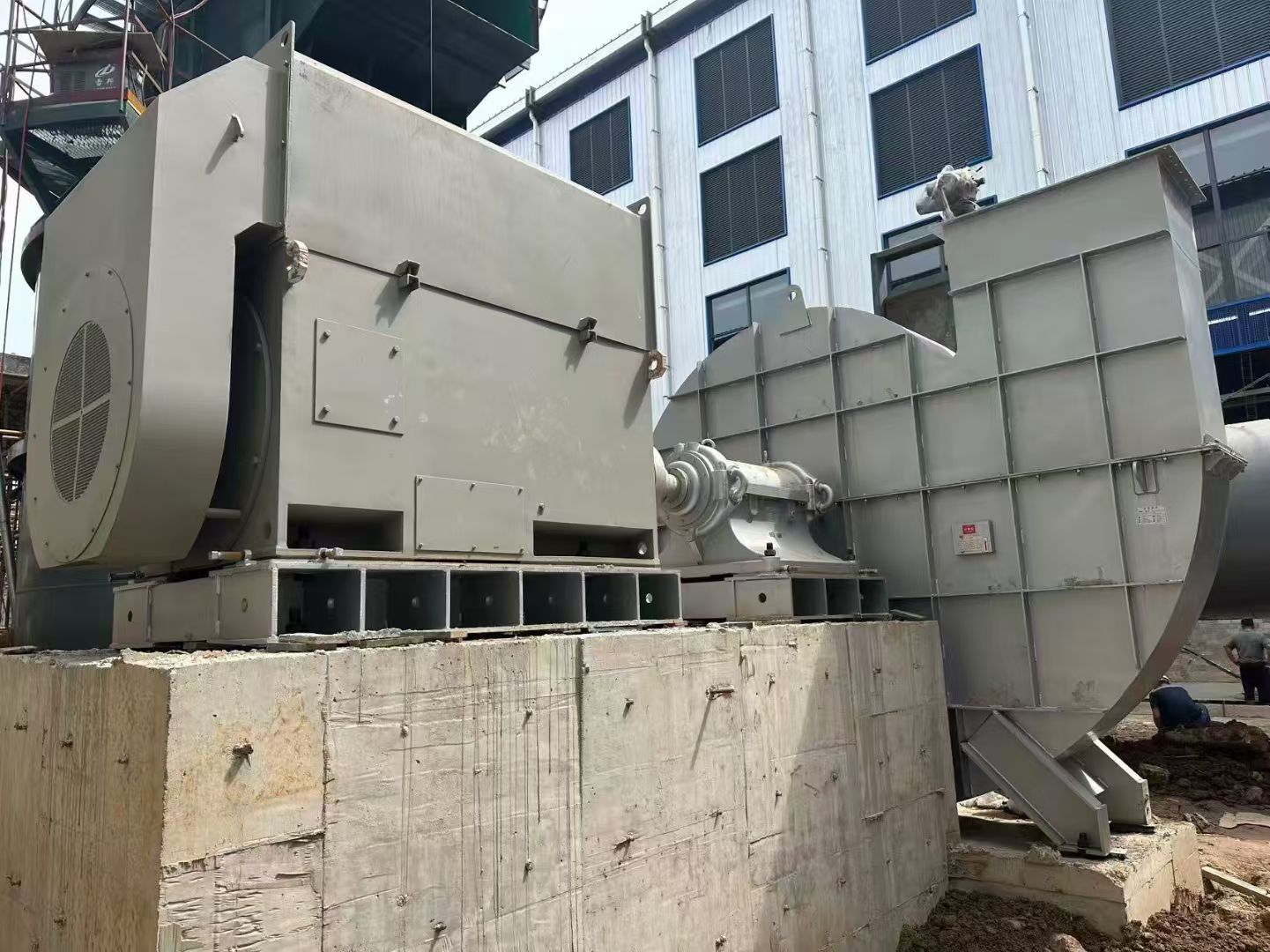
A centrifugal fan generates airflow by accelerating air through rotating impellers and directing it outward with centrifugal force. Compared with axial fans, centrifugal fans are capable of producing higher static pressure, making them ideal for long duct systems, filtration equipment, dust collection units, cleanrooms, and industrial exhaust systems. Their stable airflow and efficient performance make them one of the most widely used ventilation products in modern HVAC engineering.
Industrial facilities often face challenges such as high temperatures, corrosive gases, dust particles, humidity, or continuous 24-hour operation. Under these demanding conditions, selecting a properly engineered industrial exhaust fan improves indoor air quality while protecting production equipment and ensuring compliance with workplace safety standards. A well-designed centrifugal fan also reduces energy waste by delivering the required airflow without excessive motor power.
Airflow and Static Pressure Determine the Correct Fan Selection
The first step in selecting an industrial centrifugal fan is understanding the relationship between airflow and static pressure. Airflow, usually measured in cubic meters per hour (m³/h), represents the volume of air that must be supplied or exhausted. Static pressure indicates the resistance created by ducts, filters, dampers, heat exchangers, and other system components.
Many industrial projects focus only on airflow while overlooking pressure loss throughout the ventilation network. An oversized fan may consume unnecessary electricity, while an undersized model cannot deliver sufficient ventilation. Professional ventilation fan manufacturers calculate both airflow and total system resistance before recommending a suitable impeller diameter, motor power, and rotational speed. This engineering approach ensures reliable performance and maximizes energy efficiency throughout the entire HVAC system.
Selecting the Right Fan Material for Different Industrial Environments
Material selection plays a critical role in the durability of an industrial centrifugal fan. Different industries expose ventilation equipment to completely different operating environments, making corrosion resistance and structural strength equally important.
For chemical plants, electroplating workshops, laboratories, and wastewater treatment facilities, FRP centrifugal fans provide outstanding resistance against acid and alkali corrosion. Fiberglass reinforced plastic construction significantly extends service life while reducing maintenance requirements in aggressive environments.
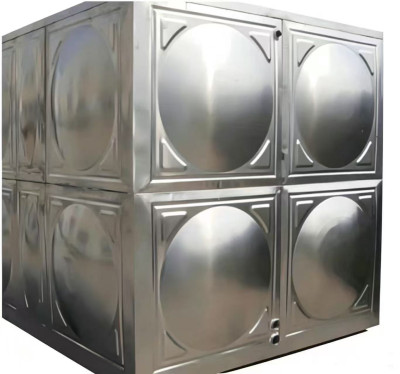
For food processing, pharmaceutical manufacturing, hospitals, and clean production facilities, stainless steel centrifugal fans offer hygienic surfaces, excellent corrosion resistance, and easy cleaning. Stainless steel construction also complies with many sanitary production standards required in commercial HVAC and industrial ventilation projects.
Heavy-duty manufacturing plants and general industrial workshops typically benefit from carbon steel centrifugal fans with protective coatings, providing excellent structural strength and cost-effective performance for large-scale factory ventilation systems.
Energy Efficiency Is the Key to Lower Operating Costs
Electricity consumption represents one of the largest long-term expenses in industrial ventilation. Choosing a high-efficiency HVAC centrifugal fan can substantially reduce operational costs over many years of continuous use. Modern backward-curved impellers, precision dynamic balancing, and optimized aerodynamic blade design all contribute to improved airflow efficiency while lowering noise and vibration.
Variable Frequency Drive (VFD) compatibility is another important consideration. By adjusting motor speed according to actual ventilation demand, factories can reduce unnecessary energy consumption during partial-load operation. This intelligent control strategy is especially valuable for warehouses, commercial buildings, manufacturing facilities, and process industries where ventilation requirements fluctuate throughout the day.
Rather than selecting the highest motor power available, experienced engineers evaluate the complete fan performance curve to identify the operating point with the best efficiency. This approach improves reliability while minimizing lifecycle costs for industrial customers.
Industry Applications Require Customized Centrifugal Fan Solutions
Every industrial sector presents unique ventilation challenges, which is why customized OEM centrifugal fan solutions are becoming increasingly popular among international buyers. Chemical factories require corrosion-resistant exhaust systems capable of handling hazardous fumes, while textile workshops demand high-volume ventilation to remove heat and airborne fibers. Food factories prioritize hygienic airflow, and electronics manufacturing often requires stable air pressure within clean production environments.
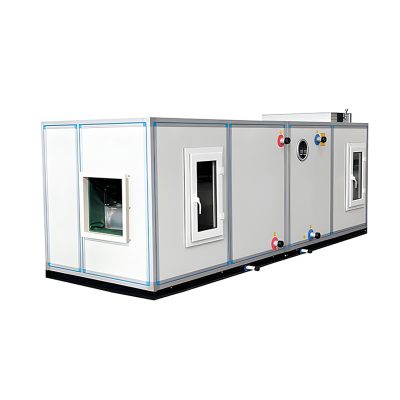
Large commercial HVAC projects also depend on centrifugal fans for air handling units, fresh air systems, duct ventilation, and smoke exhaust applications. Instead of offering standardized products alone, Shunda HVAC provides customized dimensions, motor brands, voltage options, airflow capacities, and installation configurations to match local engineering specifications across global markets.
This flexible manufacturing capability allows contractors and distributors to integrate centrifugal fans seamlessly into both new construction and renovation projects while meeting regional electrical and environmental requirements.
Why Global Buyers Choose Shunda HVAC as Their Ventilation Fan Manufacturer
As a professional ventilation fan manufacturer in China, Shunda HVAC specializes in industrial ventilation equipment for commercial and industrial applications worldwide. Our product portfolio includes high-pressure centrifugal fans, FRP corrosion-resistant fans, stainless steel centrifugal fans, industrial axial fans, air handling units, and complete HVAC ventilation solutions.
Every centrifugal fan undergoes precision balancing, performance testing, and quality inspection before shipment. We also support OEM and ODM manufacturing, customized airflow design, international voltage configurations, and technical consultation for engineering projects throughout Southeast Asia, the Middle East, Africa, and other overseas markets. Our engineering team works closely with distributors, EPC contractors, and industrial facility owners to deliver reliable ventilation systems that combine high efficiency with long service life.
Conclusion
Choosing the right centrifugal fan for industrial ventilation requires much more than comparing specifications. The ideal solution depends on airflow, static pressure, environmental conditions, material selection, energy efficiency, and the specific demands of each industrial application. By partnering with an experienced industrial centrifugal fan manufacturer, businesses can improve ventilation performance, reduce operating costs, and achieve greater reliability across their HVAC systems.
If you are planning a factory ventilation project or looking for a customized industrial centrifugal fan, Shunda HVAC provides professional engineering support, OEM manufacturing, and global export services. Visit our Centrifugal Fan product center at www.shundahvac.com or contact our sales team for a free technical consultation and quotation tailored to your project requirements.