How to Choose the Right Axial Flow Fan for Industrial Ventilat
Industrial ventilation plays a vital role in maintaining air quality, controlling indoor temperatures, removing stale air, and improving working conditions in factories and commercial buildings. Choosing the right axial flow fan for industrial ventilation is essential for achieving reliable airflow, reducing energy consumption, and ensuring the long-term stability of ventilation systems. For industrial facilities, warehouses, workshops, manufacturing plants, and commercial buildings, the right industrial axial fan should be selected according to airflow requirements, static pressure, installation conditions, operating environment, and material durability. As a professional HVAC and ventilation equipment manufacturer, Shunda HVAC provides industrial ventilation solutions designed to meet different engineering requirements, helping international buyers find suitable axial flow fans for their projects.
Understanding How an Industrial Axial Flow Fan Works
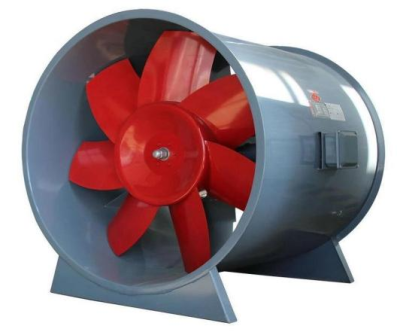
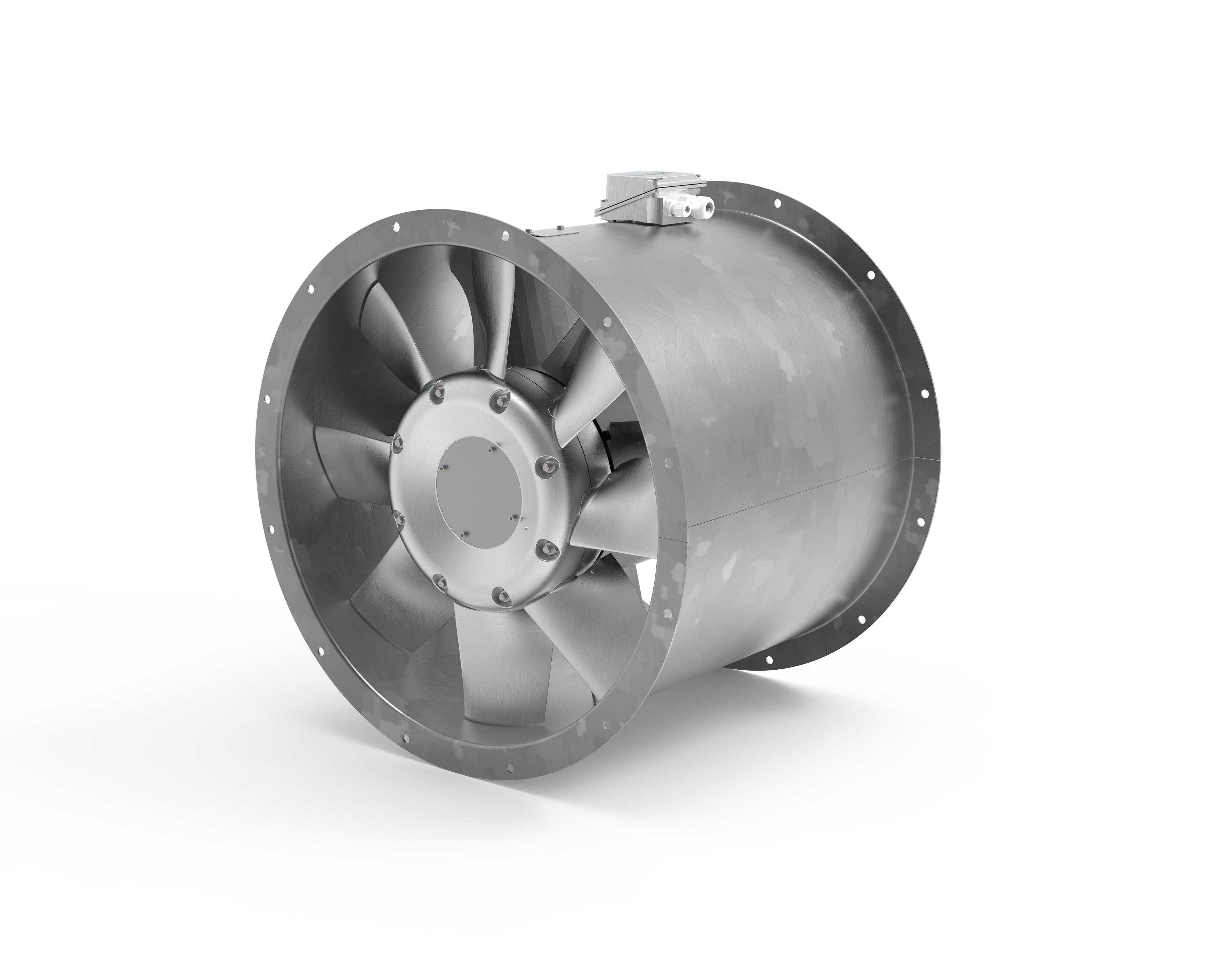
An industrial axial flow fan moves air parallel to the axis of its impeller. When the motor drives the blades, air enters the fan and travels in the same general direction as the rotating shaft, creating continuous airflow for ventilation, cooling, and air exchange. Compared with a centrifugal fan, an axial fan is often a practical choice for applications that require a large volume of air with relatively low to moderate system resistance. Its compact structure, flexible installation options, and efficient air movement make it suitable for factory ventilation, warehouse exhaust systems, equipment cooling, and general industrial air circulation. Depending on the project design, axial flow fans can be installed on walls, in ducts, or as part of a larger mechanical ventilation system. Understanding the operating principle of an axial flow fan helps engineers, contractors, and purchasing managers determine whether it is the right solution for their specific ventilation requirements.
Determine the Required Airflow and Static Pressure
The first step in selecting the right industrial ventilation fan is to calculate the required airflow and system resistance. Airflow is generally measured in cubic meters per hour (m³/h) and indicates how much air the fan can move within a specific period. A large manufacturing workshop with high heat loads may require a different ventilation capacity from a small equipment room or storage facility. Engineers should consider room volume, heat generation, occupancy, pollutant sources, and the required air change rate when estimating the necessary airflow. However, selecting an axial flow fan based only on its maximum airflow rating can lead to poor system performance. Static pressure must also be considered because ductwork, filters, louvers, dampers, and other components create resistance that the fan must overcome. If the selected fan cannot provide sufficient airflow at the actual operating pressure, the ventilation system may fail to deliver the expected results. Before purchasing an axial flow fan, buyers should confirm the required airflow and static pressure with the manufacturer and evaluate the fan's performance curve to ensure that the selected model matches the real operating conditions.
Choose the Right Fan Material for Your Operating Environment
Material selection is another important factor when purchasing an axial flow fan for industrial applications. Different industrial environments expose ventilation equipment to varying levels of moisture, dust, chemical vapors, salt air, and temperature fluctuations. Standard galvanized steel or painted steel axial fans may be suitable for many general ventilation applications, while stainless steel or fiberglass-reinforced plastic (FRP) fans can be considered for environments requiring additional corrosion resistance. For example, chemical processing facilities, wastewater treatment plants, coastal industrial buildings, and certain pharmaceutical production areas may require specialized materials to improve equipment durability. In Southeast Asia, where high humidity, heavy rainfall, and coastal conditions can create additional challenges, choosing suitable fan materials and protective finishes is particularly important. An FRP axial flow fan may be appropriate for certain corrosive environments, provided its resin system, temperature limits, and chemical compatibility meet the project requirements. Buyers should also evaluate the motor enclosure, fasteners, protective coatings, and other exposed components rather than focusing on the impeller material alone. Selecting the correct combination of materials can help reduce maintenance requirements and improve the service life of industrial ventilation equipment.
Consider Installation Space, Noise, and Energy Efficiency
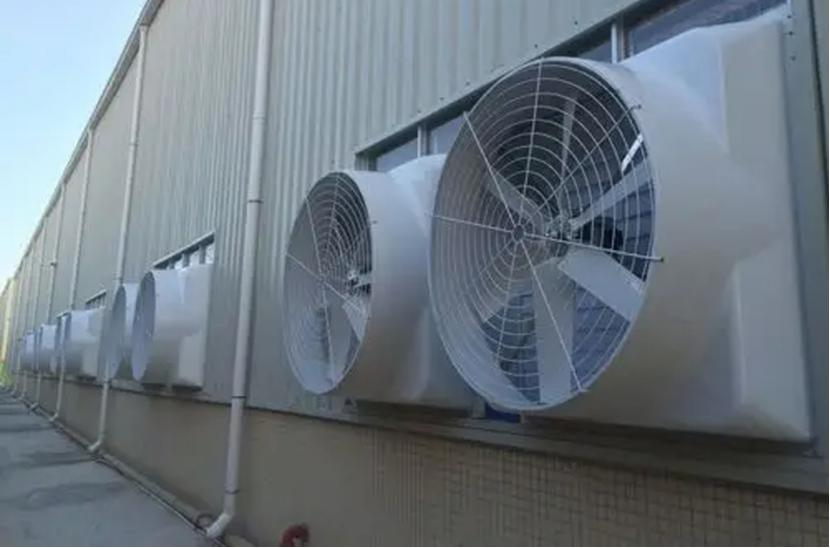
A well-designed industrial ventilation system must balance airflow performance, installation flexibility, noise levels, and operating costs. High-efficiency axial flow fans are widely used where continuous air movement is required, but actual energy consumption depends on the selected fan model, motor efficiency, operating point, and system resistance. A fan that is oversized for its application may consume unnecessary electricity, while an undersized fan may not provide adequate ventilation. To improve energy performance, engineers should select a fan that operates close to its suitable design point and consider whether speed control is appropriate for changing ventilation demands. Installation conditions are equally important. Wall-mounted axial fans, duct axial fans, and other axial ventilation configurations have different space requirements and airflow characteristics. Proper inlet and outlet clearances, secure mounting, vibration control, and suitable electrical protection can all contribute to stable operation. Noise-sensitive environments, including commercial buildings, workshops near office areas, and facilities operating around the clock, may also benefit from careful blade selection and system design. By considering these factors together, buyers can choose an axial flow ventilation fan that supports reliable performance without unnecessary operating expenses.
Select the Right Axial Flow Fan for Different Industrial Applications
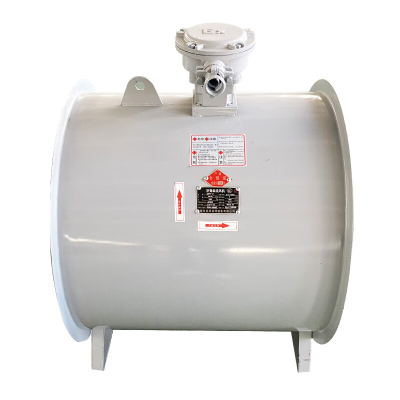
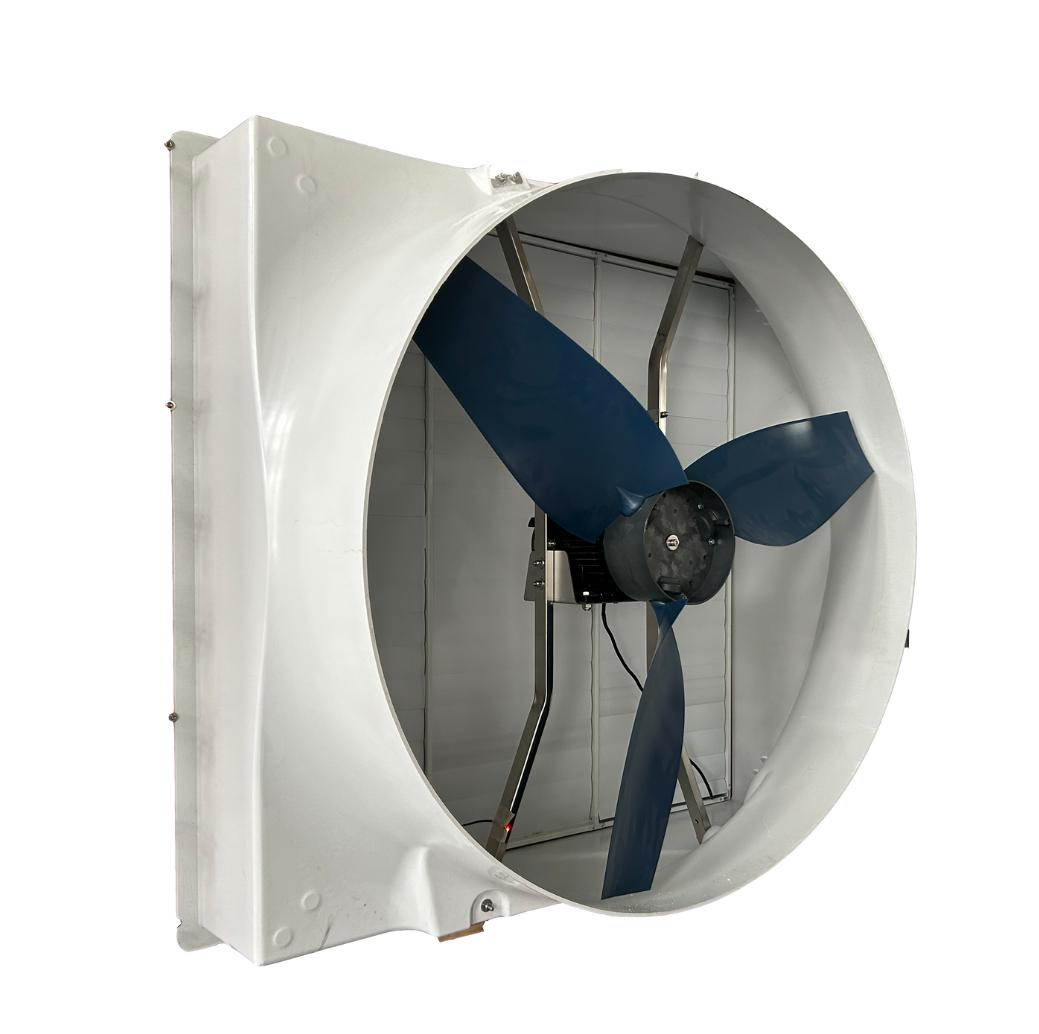
Industrial axial flow fans are used across a wide range of industries because they can support general ventilation, heat removal, and air exchange in many types of facilities. In manufacturing plants, an axial fan can help remove accumulated heat and improve air circulation around production equipment. In warehouses and logistics centers, industrial exhaust fans can assist with indoor air exchange and temperature management. In workshops, machinery rooms, and commercial buildings, axial ventilation systems can help maintain suitable indoor conditions when designed according to the building's airflow requirements. Specialized applications may require additional attention to corrosion resistance, motor protection, temperature ratings, or hazardous-area requirements. For facilities handling flammable gases or operating in potentially explosive atmospheres, a standard industrial fan must not be assumed suitable; the complete equipment configuration must meet the applicable hazardous-area classification and safety requirements. Where the ventilation system needs to overcome higher static pressure, transport air through extensive ductwork, or handle demanding exhaust conditions, a centrifugal fan or mixed-flow fan may be more appropriate. Comparing axial flow fans with other industrial fan types helps project engineers select equipment according to actual operating requirements rather than price or airflow figures alone.
Why Choose Shunda HVAC for Industrial Axial Flow Fans?
For overseas distributors, HVAC contractors, engineering companies, and industrial equipment buyers, choosing a reliable industrial axial fan manufacturer is an important part of project planning. Shunda HVAC offers industrial axial flow fan solutions for different ventilation requirements, with product options and technical support to help customers evaluate airflow, pressure, materials, motor configuration, and installation conditions. Depending on the selected model and application, buyers can explore galvanized steel, aluminum, FRP, and other suitable material options, as well as configurations designed for specialized operating environments. Shunda's industrial axial fan product range includes solutions for factories, warehouses, ventilation projects, and other industrial applications. Customers can review the Industrial Axial Fan product page to learn more about available configurations and technical specifications. For projects requiring a different air-moving solution, buyers can also explore Shunda's complete HVAC product range and centrifugal fan products to compare suitable equipment for their applications. By discussing project requirements with the supplier before ordering, customers can reduce selection errors and obtain a more appropriate ventilation solution for their installation.
How to Purchase the Right Industrial Axial Flow Fan
Before placing an order, industrial buyers should prepare the basic technical information needed for accurate fan selection. Important details include the required airflow, static pressure, air temperature, gas composition, humidity, dust concentration, installation location, available electrical supply, and expected operating hours. Buyers should also specify whether the project requires corrosion-resistant materials, explosion-protected equipment, variable-speed operation, special accessories, or customized dimensions. For international orders, it is useful to confirm voltage and frequency compatibility, export packaging, documentation, delivery arrangements, and after-sales technical support in advance. Providing complete project information allows the manufacturer to recommend a suitable model and prepare a quotation based on actual requirements. This approach is especially valuable for Southeast Asian projects, where industrial ventilation equipment may need to operate under hot, humid, and sometimes corrosive environmental conditions. Instead of selecting a fan based on price alone, professional buyers should compare performance, material suitability, energy consumption, maintenance requirements, and overall service life to evaluate the total cost of ownership.
Contact Shunda HVAC for Your Industrial Ventilation Project
Choosing the right axial flow fan for industrial ventilation can improve airflow performance, support a more comfortable working environment, and help control long-term operating costs. The most suitable solution depends on the required airflow, static pressure, installation configuration, operating environment, and equipment safety requirements. Whether you are sourcing an industrial axial flow fan for a factory, warehouse, commercial building, or engineering project, Shunda HVAC can help you explore suitable ventilation equipment based on your technical specifications and purchasing needs. If you are an HVAC contractor, distributor, project consultant, or industrial equipment buyer looking for a reliable axial fan supplier in China, contact Shunda HVAC to discuss your application, request product information, and obtain a customized quotation. Visit Shunda HVAC or contact the team by email at silvia@shundahvac.com or WhatsApp at +86 156 6600 7616 to discuss your next industrial ventilation project.