How to Choose the Right Axial Flow Fan for Industrial Ventilation
Introduction: Why Choosing the Right Industrial Axial Flow Fan Matters
Efficient industrial ventilation is essential for maintaining air quality, controlling indoor temperatures, removing excess heat, and creating a safer working environment. As manufacturing, warehousing, and commercial infrastructure continue to develop across Southeast Asia, the demand for reliable industrial ventilation equipment is increasing. Factories in countries such as Singapore, Malaysia, Indonesia, Thailand, Vietnam, and the Philippines often operate in hot, humid environments where effective air circulation is particularly important. Choosing the right axial flow fan for industrial ventilation can help businesses improve airflow, support equipment cooling, reduce unnecessary energy consumption, and maintain stable operating conditions.
An industrial axial flow fan is widely used in factories, warehouses, workshops, parking facilities, mechanical rooms, and HVAC ventilation systems. Unlike a centrifugal fan, which changes the direction of airflow as air passes through the impeller, an axial flow fan moves air mainly parallel to the fan shaft. This design makes an axial fan a practical solution for applications requiring large air volumes and relatively low to moderate static pressure. However, not every axial flow fan is suitable for every industrial application. Airflow requirements, system resistance, installation conditions, operating temperature, motor specifications, and material selection must all be considered before purchasing ventilation equipment.
For factory owners, HVAC contractors, engineering companies, and industrial equipment distributors, understanding these selection factors can help avoid insufficient ventilation, excessive noise, unnecessary power consumption, and premature equipment failure. In this guide, Shunda HVAC explains how to select a suitable industrial axial flow fan for different ventilation requirements and what buyers should consider when sourcing axial fans for industrial projects.

Understand Your Industrial Ventilation Requirements
The first step in selecting the right industrial axial flow fan is to identify the actual ventilation requirements of the facility. Different industrial environments have different air movement needs. A general manufacturing workshop may require continuous air exchange to remove heat and maintain comfortable working conditions, while a warehouse may need ventilation to prevent stagnant air and reduce heat accumulation. In a mechanical room, the primary objective may be to remove heat generated by motors, compressors, or other equipment. Meanwhile, chemical processing facilities may require specialized ventilation systems designed around specific contaminants and safety requirements.
The required airflow volume is one of the most important parameters when selecting an axial flow fan. Airflow is commonly expressed in cubic meters per hour (m³/h) or cubic feet per minute (CFM). The appropriate airflow depends on the room volume, the type of activity taking place, the amount of heat or pollutants generated, and the required air exchange rate. For example, a large industrial workshop generally requires a different ventilation capacity from a small equipment room. Engineers should calculate the required ventilation volume based on the project conditions rather than selecting a fan solely by its diameter or motor power.
When designing industrial ventilation for tropical regions, buyers should also consider local climate conditions. High ambient temperatures, high humidity, and long operating hours can influence motor selection, equipment protection, material durability, and maintenance requirements. A properly selected industrial ventilation fan should match both the required airflow and the real operating environment.

Check Airflow Volume and Static Pressure
Airflow volume and static pressure are two essential parameters in axial fan selection. Airflow indicates how much air the fan can move over a specific period, while static pressure indicates its ability to overcome resistance within a ventilation system. Selecting a fan with a high nominal airflow rating does not automatically guarantee satisfactory performance after installation. Wall openings, protective grilles, filters, louvers, dampers, ductwork, and other system components can increase resistance and reduce the actual airflow delivered by the fan.
For applications involving direct air exchange through walls or openings, a standard industrial axial flow fan may provide an effective and economical solution. For systems with longer ducts, multiple fittings, filters, or other sources of resistance, the required static pressure should be evaluated carefully. The fan's performance curve should be checked against the calculated system resistance to identify a suitable operating point. If the system requires considerably more pressure than the fan can provide, the ventilation system may not achieve its intended airflow.
A professional axial flow fan manufacturer can help evaluate the relationship between airflow, static pressure, fan diameter, rotational speed, and motor power. Providing accurate project data before requesting a quotation makes it easier to identify the right model and reduce the risk of oversizing or undersizing the equipment.

Select the Right Fan Type and Installation Method
Industrial axial flow fans are available in different configurations to meet varying installation and ventilation requirements. Wall-mounted axial fans are commonly used for direct exhaust or air supply in factories and workshops. Duct axial fans are suitable for ventilation systems where air must travel through a duct network, provided that the selected fan can meet the system's pressure requirements. Roof-mounted ventilation equipment can help remove accumulated hot air from suitable industrial buildings, while specialized axial fans may be used for equipment cooling and other process ventilation applications.
Installation conditions should be considered during the early design stage. Buyers need to confirm the available mounting space, fan diameter, connection dimensions, airflow direction, electrical supply, maintenance access, and required protective accessories. Outdoor installations may need weather protection, and systems exposed to rain, dust, or high humidity should be configured with suitable protective measures. The fan should also be installed according to the manufacturer's instructions to minimize vibration, prevent airflow obstruction, and support reliable operation.
For projects in Southeast Asia, practical installation and maintenance are especially important because ventilation equipment may operate for extended periods in warm and humid conditions. Selecting an industrial axial fan that fits the building layout and can be inspected and maintained conveniently helps support long-term operational reliability.

Choose Suitable Materials for Temperature, Humidity, and Corrosion
Material selection is another important consideration when choosing an axial flow fan for industrial ventilation. Standard metal axial fans can be suitable for many general ventilation applications, including warehouses, manufacturing workshops, and equipment rooms. However, environments exposed to moisture, chemical vapors, salt-laden air, or corrosive process gases may require more specialized materials and protective treatments.
Stainless steel, aluminum, coated steel, and fiberglass-reinforced plastic (FRP) may be considered according to the operating environment and the fan design. FRP axial flow fans are particularly relevant for certain corrosive ventilation applications because properly selected FRP components can provide resistance to many corrosive environments. However, chemical compatibility must be evaluated against the specific gas composition, concentration, temperature, and operating conditions. No single material is suitable for every chemical or industrial process.
For coastal facilities, wastewater treatment plants, chemical factories, and industrial facilities in humid tropical climates, buyers should discuss corrosion resistance, motor protection, sealing, and maintenance requirements with the manufacturer. Selecting appropriate materials at the beginning of a project can help reduce maintenance demands and improve the service life of industrial ventilation equipment.
Evaluate Motor Power, Energy Efficiency, and Noise
Motor power should be selected according to the fan's required operating point rather than used as the only indicator of performance. A larger motor does not necessarily mean that a fan is more efficient or better suited to a particular application. The fan should provide the required airflow and pressure while operating within the recommended performance range. Buyers should review the motor rating, supply voltage, frequency, protection requirements, operating duty, and compatibility with any proposed speed control system.
Energy efficiency is especially important in factories and warehouses where ventilation systems run for many hours each day. Even a modest improvement in operating efficiency can contribute to lower electricity consumption over the equipment's service life. Correct fan sizing, suitable blade design, efficient motors, proper installation, and regular maintenance all contribute to overall system performance. Where variable airflow is needed, a compatible speed control solution may help match fan operation to changing ventilation demand, subject to motor and system compatibility.
Noise and vibration should also be assessed before purchasing an industrial axial flow fan. Excessive noise may indicate unsuitable operating conditions, turbulent airflow, poor installation, imbalance, or mechanical problems. For workplaces with noise limits, the fan should be selected and installed with appropriate consideration for sound levels, mounting structure, vibration isolation, and surrounding equipment. Reviewing technical data and installation requirements in advance helps create a more reliable ventilation solution.
Consider Special Requirements for Hazardous Industrial Environments
Some industrial facilities handle flammable gases, combustible vapors, or potentially explosive atmospheres. These applications require a different approach from ordinary factory ventilation. A standard industrial axial flow fan should not be assumed suitable for a hazardous area simply because it provides sufficient airflow. The equipment must be selected according to the applicable hazardous-area classification, relevant regulations, and the characteristics of the materials being handled.
Depending on the application, an appropriately specified explosion-protected motor, suitable fan construction, and measures to control potential ignition sources may be required. Corrosive gases, high temperatures, combustible dust, and aggressive process conditions also need to be assessed separately. Buyers should provide the manufacturer with accurate information about the working environment so that the proposed equipment can be evaluated against the project's safety requirements.
For chemical plants, pharmaceutical production facilities, and other specialized industrial applications, consulting qualified ventilation and safety engineers is essential. Correct equipment selection and installation are critical to maintaining a safe working environment.
Work with a Reliable Axial Flow Fan Manufacturer
Choosing a dependable axial flow fan manufacturer is as important as selecting the right technical specifications. A qualified supplier should be able to provide product information, dimensional drawings, performance data, material options, installation guidance, and technical support. For international projects, buyers may also need assistance with voltage and frequency requirements, export packaging, documentation, spare parts, and coordination with local HVAC contractors.
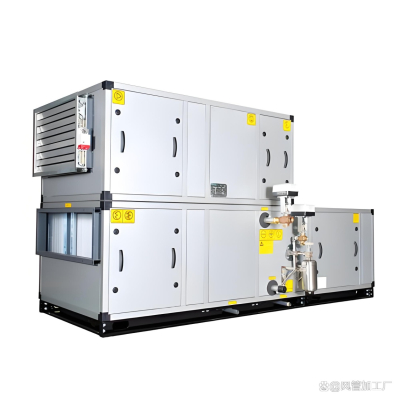
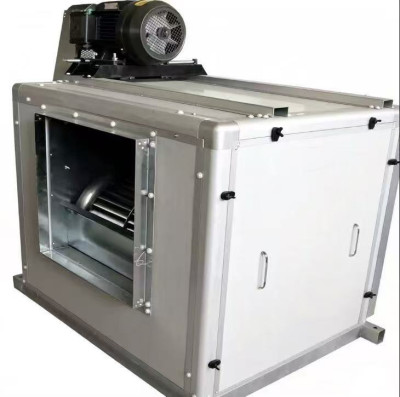
Shunda HVAC provides industrial ventilation and HVAC equipment for a range of commercial and industrial applications. Its product portfolio includes industrial axial flow fans, FRP axial flow fans, centrifugal fans, air handling equipment, and other ventilation-related products. Depending on project requirements, buyers can discuss airflow capacity, static pressure, material selection, motor configuration, and installation conditions with the technical team before finalizing their equipment specifications.
For customers and distributors in Southeast Asia, communicating the project requirements clearly is a practical way to improve model selection and quotation accuracy. Sharing the application, required airflow, estimated system resistance, installation dimensions, ambient conditions, power supply, and quantity allows the supplier to evaluate the project more effectively. OEM requirements and project-specific configurations should be confirmed directly with the manufacturer.
Conclusion: Choose an Axial Flow Fan Based on Real Operating Conditions
Selecting the right axial flow fan for industrial ventilation requires more than comparing prices, fan diameters, or motor ratings. Buyers should evaluate airflow volume, static pressure, installation type, operating environment, material compatibility, energy efficiency, noise, and safety requirements together. A fan that matches the actual system conditions can help improve air circulation, remove excess heat, support equipment cooling, and maintain reliable ventilation in industrial facilities.
As industrial development continues across Southeast Asia, the need for dependable and energy-conscious ventilation solutions remains important for factories, warehouses, commercial buildings, and engineering projects. Working with an experienced industrial axial flow fan manufacturer can help buyers identify suitable equipment and plan for long-term operation and maintenance.
If you are sourcing an industrial axial flow fan, FRP axial fan, or customized ventilation solution for your next project, contact Shunda HVAC to discuss your application and technical requirements. Our team can help you evaluate suitable options for your industrial ventilation system.